




 :


Europe: Europe-originating business travel spending is forecast to reach €404.0 billion in 2026, up seven per cent year-over-year, according to the Global Business Travel Association (GBTA).
By year end, European-based organisations are expected to generate approximately 600 million business trips. In contrast, trip volume is projected to grow by just 0.7 per cent in 2026, underscoring a widening gap between how much is being spent and the number of trips being taken.
Globally, business travel spending is forecast to grow by 7.2 per cent in 2026, compared with 1.3 per cent growth in trip volume.
Europe remains one of the world’s largest business travel markets, accounting for 27 per cent of global business travel, which is forecasted to reach €1.52 trillion this year. Total European business travel spending is expected to reach €425.0 billion in 2027 and €471.0 billion in 2030.
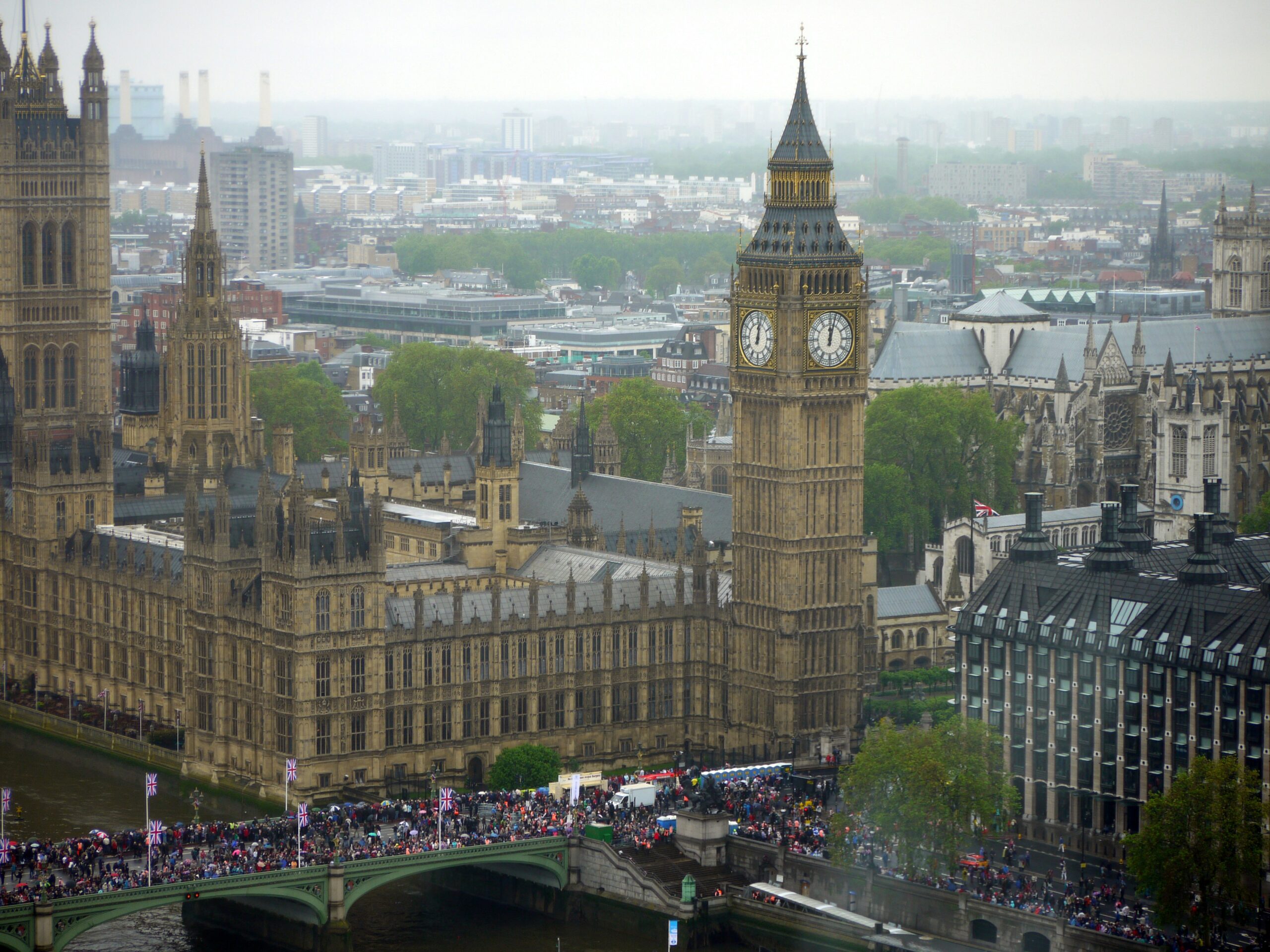
The value generated by business travel also goes beyond individual organisations. In London alone, £11.2 billion in direct business traveller spending in the destination in 2024 supported £17.9 million in total economic output, £4.8 billion in GDP and 98,051 jobs.
“Europe’s business travel sector continues to show remarkable strength and staying power,” GBTA’s CEO Suzanne Neufang said. “Even as companies navigate a complex business environment, the forecast shows they continue to place significant value on bringing people together for both external and internal meetings. At the same time, the gap between pace of growth in spending versus trip volume means companies and corporate travel managers are increasingly focused on ensuring that every trip delivers value.”
Other highlights of GBTA’s 2026 forecasts include:
- Europe accounts for more than a quarter of global business travel spending. Its approximately 600 million business trips are expected to account for one-third (33 per cent) of the 1.84 billion business trips forecasted globally in 2026, ahead of North America at 492 million trips.
- Western Europe accounts for the large majority of the regional market and is expected to generate €354.9 billion in business travel spending. Central and Eastern Europe, classified as “Emerging Europe,” is expected to contribute €49.1 billion and forecasted to grow more quickly in 2026, at 10.8 per cent versus 6.5 per cent for Western Europe.
- Europe’s largest origin markets continue to account for a significant share of regional spending. Germany leads at €79.9 billion, followed by the United Kingdom at £50.0 billion, France at €45.0 billion, Italy at €39.5 billion and Spain at €26.5. Together, these five markets represent approximately 62% of Europe’s forecast 2026 business travel spending based on GBTA BTI data.
- The European business traveller remains highly active, with 74 per cent of business travellers reporting they expect their overall business travel to be the same amount or more frequent in 2026.
- Europe also has a meaningful cross-border business travel component, with 37 per cent of European business travellers say their work trips were international while 63 per cent were domestic.
- For European travellers, the leading reason they cite for travelling is client, sales, or account management meetings, followed by training, project work and conferences or conventions.
- Ground transportation is important in the region, with 43 per cent of surveyed European business travellers say they travel by car, 34 per cent by air and 25 per cent by rail. Among those flying, economy was the most commonly reported cabin class at 31 per cent, while among carrier types, 58 per cent reported using a full-service or legacy airline.
- Blended business and personal travel is common for European travellers, with 55 per cent expecting to extend a business trip with a personal trip in 2026.
- How business travellers pay for and manage their work trips continues to evolve, with 43 per cent of European business travellers using an expense-management system and 64 per cent reporting their company provides them with a corporate card. Among those with a corporate card, 61 per cent charge at least half of their travel spending to it.
GBTA’s economic impact study of 25 major global cities revealed that $178 billion in business traveller spending contributed $93 billion in local GDP, nearly $55 billion in tax revenue and 1.4 million jobs. Based on the latest available 2024 data, the top five European cities for business travel spending are London (£11.2 billion), Paris (€12.1 billion), Amsterdam (€5.0 billion), Frankfurt (€4.2 billion) and Madrid (€4.1 billion).
Highlights:
- European-originating business travel spending is forecast to reach €404 billion in 2026, a seven per cent year-on-year increase, while business trip volume is expected to grow by just 0.7 per cent, according to the Global Business Travel Association (GBTA).
- Europe is forecast to account for 27 per cent of global business travel spending and generate approximately 600 million business trips in 2026, representing 33 per cent of the global total.
- Western Europe is expected to generate €354.9 billion in business travel spending, compared with €49.1 billion in Central and Eastern Europe. However, Central and Eastern Europe is forecast to record faster growth of 10.8 per cent, against 6.5 per cent in Western Europe.
- Germany is forecast to remain Europe’s largest business travel market at €79.9 billion in 2026, followed by the UK (€50 billion), France (€45 billion), Italy (€39.5 billion) and Spain (€26.5 billion).
- Business travel continues to support destination economies, with London recording £11.2 billion in direct business traveller spending in 2024. Meanwhile, 74 per cent of surveyed European business travellers expect to travel as frequently or more often in 2026, and 55 per cent expect to extend a business trip with personal travel.