





 :
:
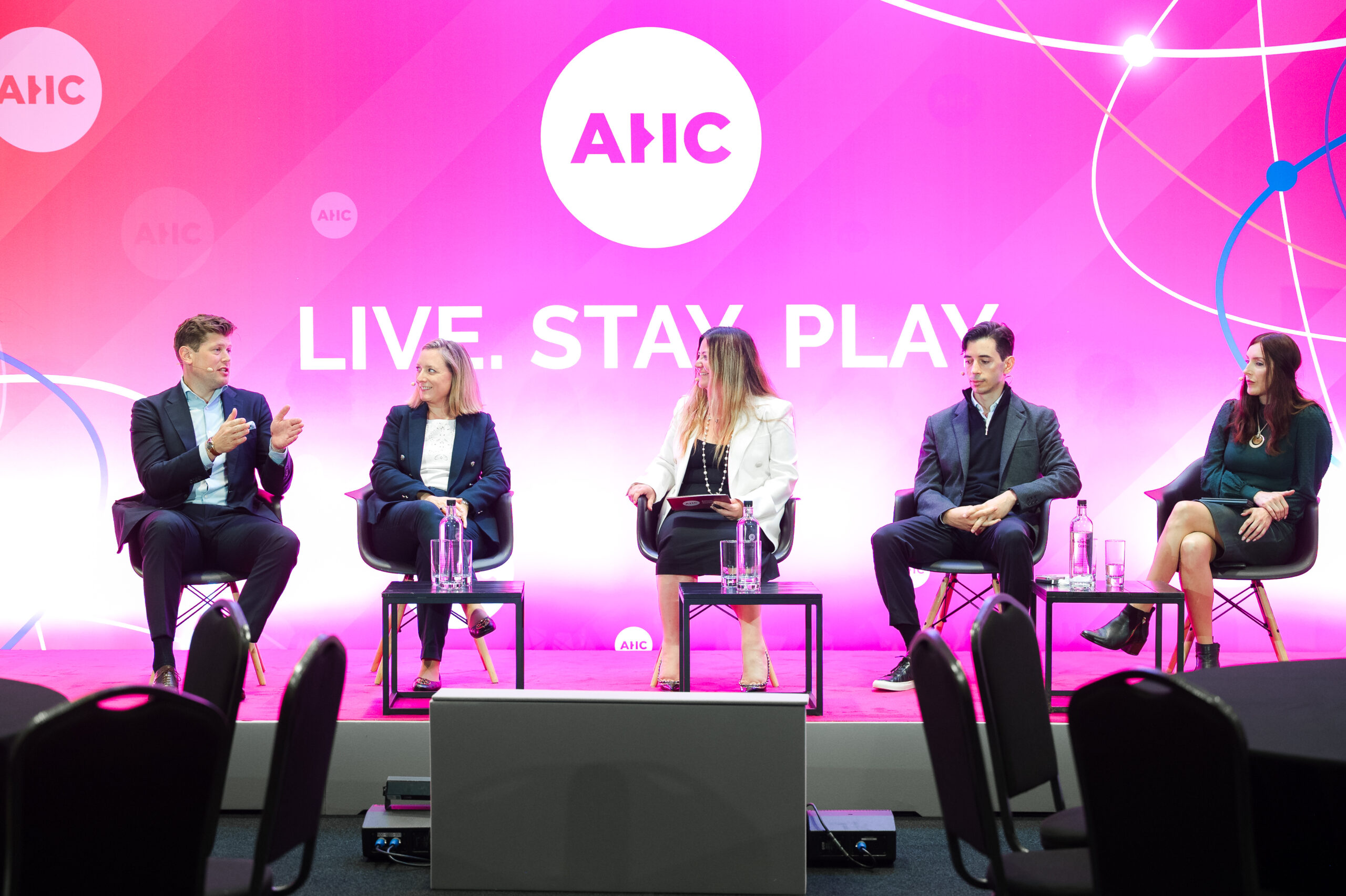
UK: Discussions at the Annual Hospitality Conference (AHC) explored how investors and lenders are pivoting towards value-add developments, office conversions, and “hotelised” residential asset classes.
Addressing boutique hotel investment, Andrew Dean, co-founder of Oberland, outlined a value-add thesis focused on city-centre heritage properties with operational inefficiencies. He noted that soaring construction costs have made ground-up development less attractive, driving capital toward refurbishments that preserve architectural character over standardised “cookie-cutter” brand designs.
To execute this strategy, Oberland operates deal-by-deal alongside institutional co-investors such as Singaporean fund RealVantage. The partners have sourced off-market deals in Glasgow (Arthouse Hotel) and Manchester (Heathcote Hotel). Dean said that direct owner and lender relationships remain critical for sourcing off-market recapitalisations.
Debt financing and office conversions
In response, debt providers are adjusting their underwriting criteria to support value-add execution. Deepesh Thakrar, managing director of debt finance at OakNorth Bank, noted that while core markets like London and Manchester demonstrate strong leisure demand, traditional long-term financing margins are under competitive pressure. The bank – where hospitality accounts for £4 billion of its £17 billion total portfolio – is focusing heavily on construction and value-add opportunities.
Falling office rents and widening cap rates in central business districts are accelerating conversions of office blocks into hotels. Citing a recent transaction, Thakrar highlighted Peninsula House, an island site in the City of London. OakNorth financed the asset prior to formal planning consent based on positive pre-application feedback and borrower track record, highlighting how lender confidence hinges on sponsor equity and local supply.
To safeguard margins against rising costs, mid-market operators are also adopting “bed factory” models by converting underutilised meeting rooms into extra keys.
Blurring the lines between hotel and residential
Beyond hotels, the conference also addressed the blurring boundaries between hospitality and residential real estate.
Alexandra van Pelt, development director for Northern Europe at The Ascott Limited, defined “hotelised living” through flexibility in space and length of stay rather than room sizing. Ascott’s portfolio spans extended stay serviced residences such as Citadines (averaging 4.5-night stays) to social living concepts such as lyf (averaging 1.5–2.5 nights), with compact units scaling down to 16 square metres. Panellists noted that while build-to-rent (BTR) offers lower opex and steady yields, serviced apartments generate higher GOP targets in the mid-30s, albeit with greater operational demands.
Deal structures and planning use classes are shaping these hybrid formats. Francesco Orofino, investment director at DFI LLP, noted a preference for Sui Generis coliving over C1 hotel planning based on clearer underwriting and exit liquidity. Meanwhile, Robin von Bothmer of ParkProperty Europe described the group’s transition from fixed leases toward hotel management agreements (HMAs), referencing recent acquisitions of Staybridge Suites in Newcastle and Liverpool.
With ground-up development constrained and traditional margins squeezed, generating returns in today’s market depends on flexibility. Whether repurposing empty office floors, securing Sui Generis planning, or taking on operational risk via HMAs, investors and lenders must align early to make every square metre pay.