





 :
:
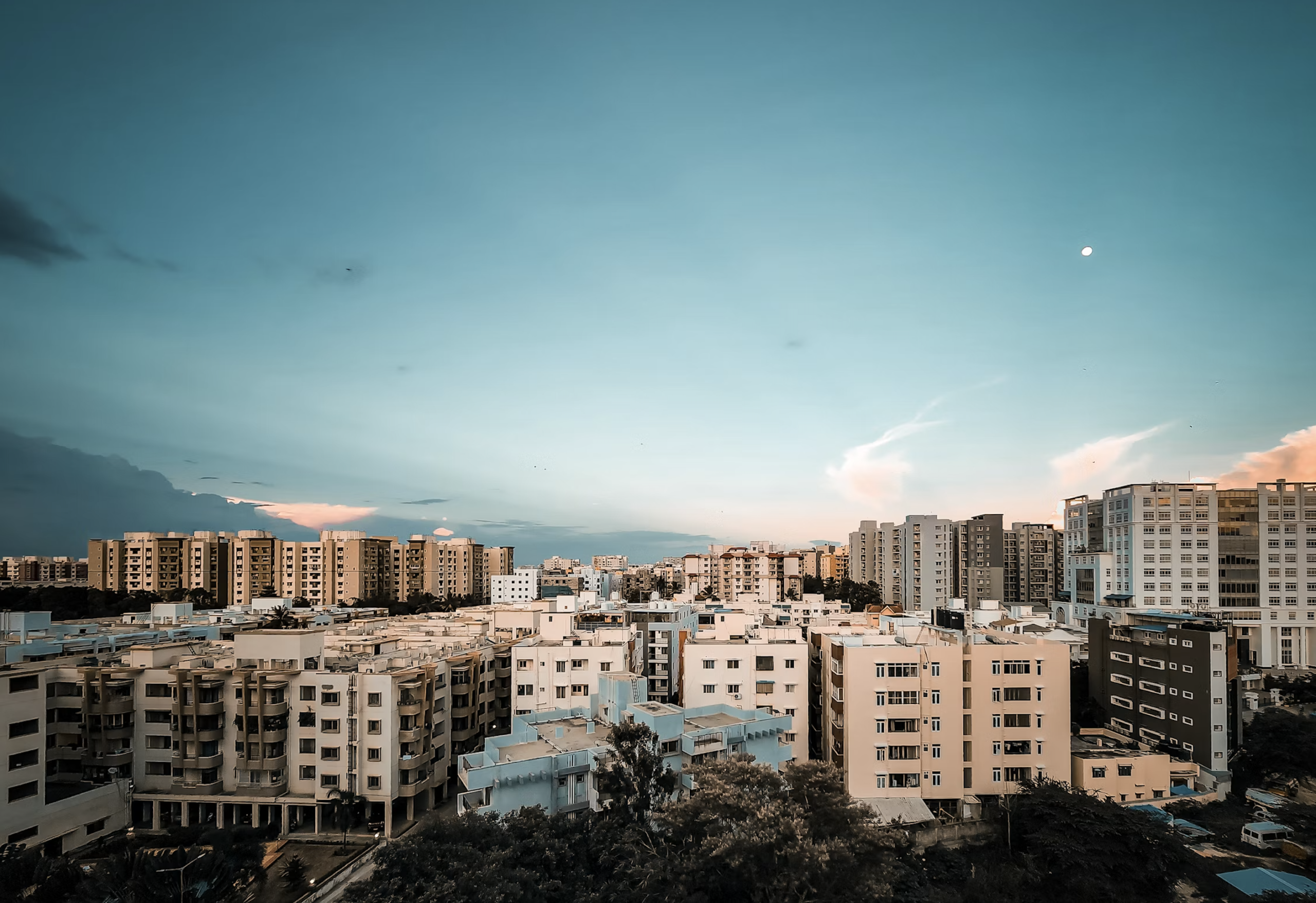
Worldwide: Demand for corporate housing continues to rise in India and China, while London records strong booking growth and US World Cup accommodation rates soften, says SilverDoor.
In India, SilverDoor reports that both enquiries and reservations are up 114 per cent and 457 per cent respectively, primarily from technology companies.
Supply is also increasing across the country to meet the demand, whereby rates are declining year-on-year. Bengaluru has seen its ADR drop by 23 per cent.
In China, SilverDoor is seeing an increase in online searches for primary and secondary cities including Shanghai, Beijing, Chengdu, Guangzhou and Wuxi. Enquiries are up 36 per cent YOY for the past quarter, and total reservations have doubled YOY.
The easing of entry requirements is driving this demand. Since February, nationals from the UK and Canada can travel visa-free for business or pleasure to China for up to 30 days. In early March, China also introduced its K visa which grants multiple 180-day stays for a period of five years for global science and engineering graduates.
Over in the Middle East, enquiries across the region have seen a 14 per cent decline YOY for Q2. Many Dubai corporates show intent to manage relocations within the emirate, with travel and mobility programmes indicating a preference to move employees from central Dubai to smaller towns.
In the United Kingdom, London has seen a 26 per cent increase in bookings, with ADR up 11 per cent YOY. SilverDoor’s data suggests this upward trend will continue over the next couple of months.
The UK government has also committed to press ahead with plans to allow city mayors in England to introduce visitor levies on overnight stays. It has been confirmed among 13 authorities including London, Manchester and Liverpool. SilverDoor said businesses might start to tighten budgets to offset the higher tax burdens.
In the United States, initial pricing spikes ahead of the World Cup in Californian markets such as Mountain View, Palo Alto, and Santa Clara, have softened to roughly 15 per cent.
Most pricing stabilised below early forecasts in Dallas and Houston, but premium inventory within walking distance to the stadiums remained high with some listings reaching $1000 per night on match dates.
Claire Barrie, CCO of SilverDoor, said: “Since original predictions of sky-high rates and sold-out cities, this quarter’s data reinforces that corporates who can hold their nerve where they can, be swift to react to inventory releases, and use late-stage negotiating power can secure better rates and value in high-demand markets. Businesses still keen to travel during the World Cup in host cities look set to be able to take advantage of the recent softening of corporate housing rates and should apply this blueprint to future major events like the LA28 Olympics.
“The various trends and market conditions that are shaping corporate travel right now, like oil price volatility, immigration backlogs, major sport tourism events, and workforce restructurings, are influencing global demand patterns in interesting ways. Resilient programmes that are built to absorb this sort of disruption will pull ahead, and the competitive differentiator is usually how well-connected your supply chain is before a disrupter hits, not during it.”
Highlights:
- SilverDoor’s latest market report shows corporate housing demand accelerating in India, with enquiries rising 114 per cent YOY and reservations increasing 457 per cent, led by technology sector activity.
- China corporate housing demand continues to strengthen, with enquiries up 36 per cent YOY and reservations doubling as visa-free travel and new visa programmes boost mobility.
- London recorded a 26 per cent increase in corporate housing bookings and an 11 per cent rise in ADR, with SilverDoor forecasting continued demand growth in coming months.
- Middle East corporate housing enquiries declined 14 per cent YOY in Q2, as companies increasingly relocate employees from central Dubai to smaller regional locations.
- US corporate accommodation rates around FIFA World Cup host markets have softened from earlier forecasts, although premium inventory near stadiums continues to command elevated pricing.